
Choosing Secure Prediction Payment Methods
2 September 2026
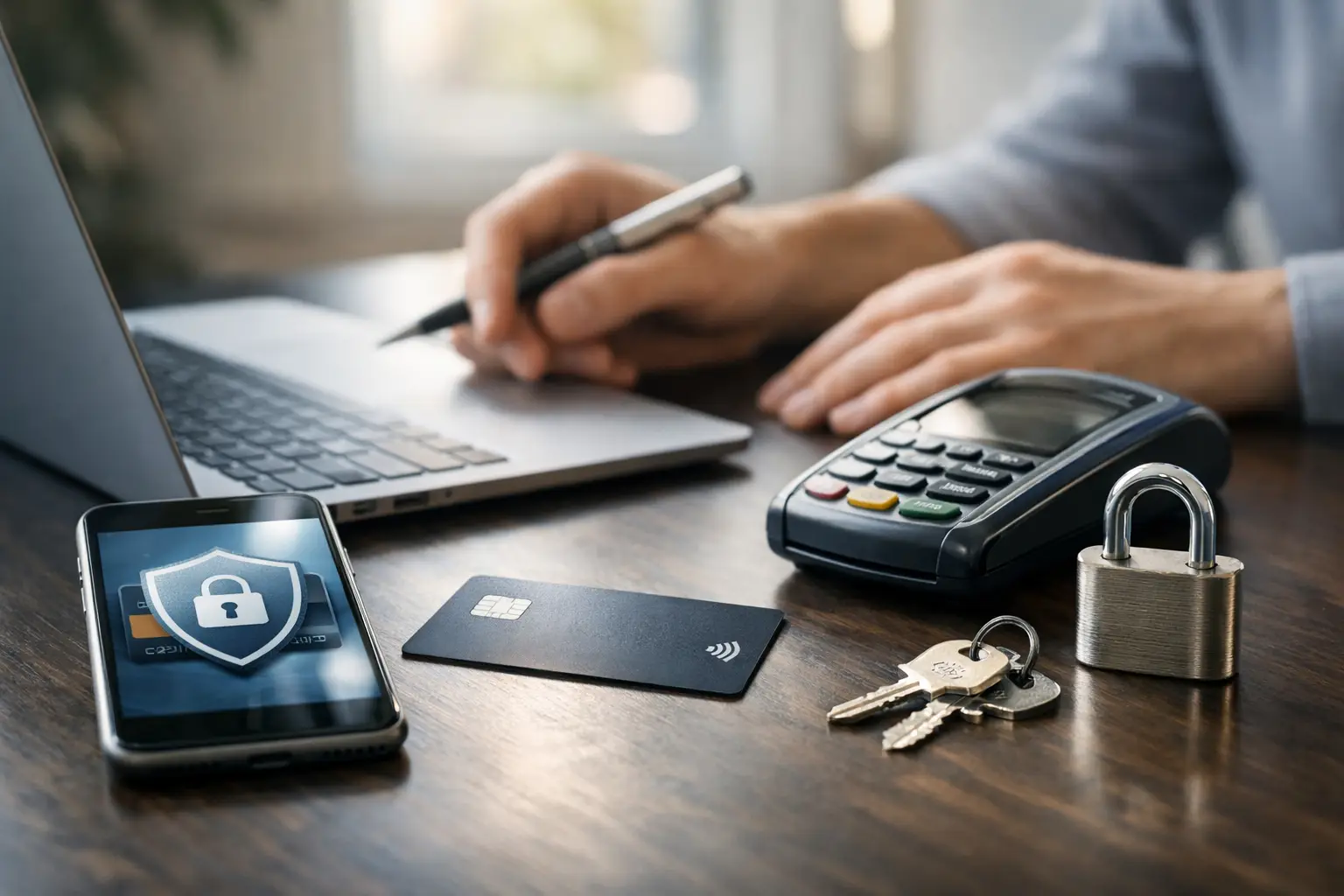
Your prediction can be sharp and your research can be spot-on, but neither matters much if your money takes a risky route to the market. Choosing secure prediction payment methods is part of playing intelligently: it protects your funds, limits unnecessary friction and keeps your focus where it belongs - on making the right call.
A payment option is not just a checkout button. It is a decision about privacy, control, speed and how easily you can track your activity. The best choice depends on how you use a platform, but the principles stay the same: use trusted providers, understand the checks, and never let convenience outrun common sense.
Start with the platform, not the payment logo
A familiar card brand or digital wallet can make a site feel credible. It is a useful signal, but it is not proof that the platform itself deserves your trust. Fraudsters can imitate payment pages, copy brand marks and create urgency where none exists.
Check the operator first. A legitimate prediction platform should be clear about who runs it, where it is licensed, how identity checks work and what happens to your funds. Its terms should explain deposits, withdrawals, verification, payment processing and any relevant limits in plain language. If the basics are hard to find, that is not a small detail. It is a reason to pause.
For GB users, regulation matters. A properly licensed operator is accountable for how it handles customer money, personal data and safer participation. That does not mean you should switch off your judgement. It means there is a standard behind the experience, rather than a promise on a landing page.
Choosing secure prediction payment methods: what to look for
The strongest payment method is usually the one that gives you visibility and control without making every deposit or withdrawal feel like a puzzle. Four signals separate a sensible option from a risky one.
- Recognised payment providers: Major banks, established card networks and well-known digital wallets have security systems, fraud monitoring and clear processes for reporting suspicious activity.
- Strong customer authentication: Expect a bank app approval, one-time code or biometric check for certain transactions. That extra moment is designed to stop somebody else funding an account in your name.
- A clear transaction record: Your bank or wallet should show deposits and withdrawals in a way you can easily recognise. Clean records make it easier to monitor spending and challenge activity you did not authorise.
- Matching ownership details: The name on the payment method should match the name on your prediction account. This can feel strict, but it helps prevent fraud, money laundering and account misuse.
Security is rarely the flashiest part of a product. It is the discipline that protects the upside. A quick deposit is useful; a quick deposit with no traceable route, weak verification or unclear ownership is not.
Cards: familiar, controlled and easy to monitor
Debit cards remain a practical choice for many people because they are widely understood and easy to review through a banking app. You can see transactions quickly, receive instant notifications and use existing bank-level security features. For a lot of users, that visibility makes cards a strong baseline.
The trade-off is that card details are sensitive. Only enter them inside the official app or a verified website, ideally on your own mobile connection or a trusted home network. Avoid saving card details on devices shared with other people. If a platform offers a payment page that looks unusual, redirects repeatedly or asks for information beyond what a normal card transaction requires, stop before completing it.
A debit card can also support better discipline. You are using money already available rather than borrowing to chase a position. That separation matters when markets move fast and your confidence is high.
Digital wallets: a useful extra layer, not a free pass
Digital wallets can reduce the number of places where your card details are entered directly. Depending on the provider and device, they may use tokenisation, biometrics and device-level security to authorise a payment. That can be especially useful for people who prefer to keep their card information out of multiple accounts.
They are not automatically the right answer for everyone. Availability can differ by platform, device and bank, while refunds or transaction disputes may follow a different route from a direct card payment. Before relying on a wallet, check whether you can use it for both deposits and withdrawals, and understand how the transaction will appear in your history.
Treat your mobile phone as part of your payment security. Use a strong screen lock, keep the operating system updated and do not share device passcodes. A wallet is only as secure as the account and device behind it.
Bank payments: strong for traceability, sometimes slower
Direct bank payments can offer a high degree of traceability because funds move from an account in your own name. Many users value the ability to authorise a transaction through their banking app, rather than manually entering card numbers.
The compromise can be speed. Processing times vary, particularly for withdrawals, and banks may apply their own checks before approving a transfer. That is not necessarily a flaw. Security checks can be inconvenient precisely when they are doing their job.
Use bank details supplied only through the official platform environment. Never send money to bank details supplied in a social post, private message or unsolicited email - even if the sender claims to be support staff. Genuine support will not pressure you to bypass normal payment flows.
Make withdrawals part of the decision
A payment method should be judged by how it handles your money coming out, not only going in. Before your first deposit, look at the withdrawal policy. Are the expected processing times clear? Will the funds return to the original payment method where possible? Is identity verification required before a withdrawal?
That final question catches some people out. Verification may require proof of identity, address or payment-method ownership. It can feel like a delay if you wait until you want to withdraw, but it is a standard protection against somebody opening or accessing an account under another person’s details. Completing required checks early can prevent avoidable friction later.
Be wary of any operator that makes deposits effortless but makes withdrawal rules vague. Your ability to access your funds should never be an afterthought.
Protect your account as carefully as your payment method
Payment security is account security. A secure card cannot fully protect you if someone gains access to your prediction account, changes your details and acts before you notice.
Use a unique password rather than recycling one from an old shopping, streaming or social account. Turn on two-factor authentication if it is available. Review login alerts, payment confirmations and withdrawal notifications rather than clearing them without reading them.
It is also worth setting personal boundaries before you fund an account. Decide how much you are prepared to deposit over a week or month, and treat that number as a rule rather than a target. A secure payment method gives you control over access to money. A sensible limit gives you control over the decision to use it.
If a transaction appears that you do not recognise, act quickly. Lock or freeze the payment method through your bank or wallet provider where possible, change your account password and contact the platform through its official support route. Do not search for a support number in an advert or respond to a direct message offering help. Scammers often arrive first when they see confusion.
Watch for friction that does not feel right
Not every delay is a warning sign. Identity checks, bank authentication and payment reviews are normal in regulated services. The key distinction is whether the process is transparent and proportionate.
Legitimate checks explain what is needed and why. Suspicious requests tend to be vague, urgent or excessive. No credible platform should ask you to share your full banking password, remote access to your device, or a code sent by your bank for a transaction you did not initiate. Those are clear stop signs.
The same goes for payment routes that sit outside the official product flow. Requests to pay a personal account, buy an unrelated voucher, transfer funds through a stranger or use a payment method simply because it is "faster" should end the conversation immediately. Smart prediction is built on evidence. Apply that standard to every pound you move.
Choose control over hype
The right payment method will not make a weak prediction stronger. What it can do is give your decisions a safer foundation: clear records, recognised protections, verified ownership and a route to withdraw without mystery.
Versus is built for people who want to be known for getting the call right, not for taking careless risks around the edges. Pick a payment route you understand, keep your account protected and let your judgement do the talking. Your edge should come from what you see before everyone else - not from luck with where your money lands.
Predict the world’s next moves.
enter versus™