
Payment Method Security: Protect Your Position
23 August 2026
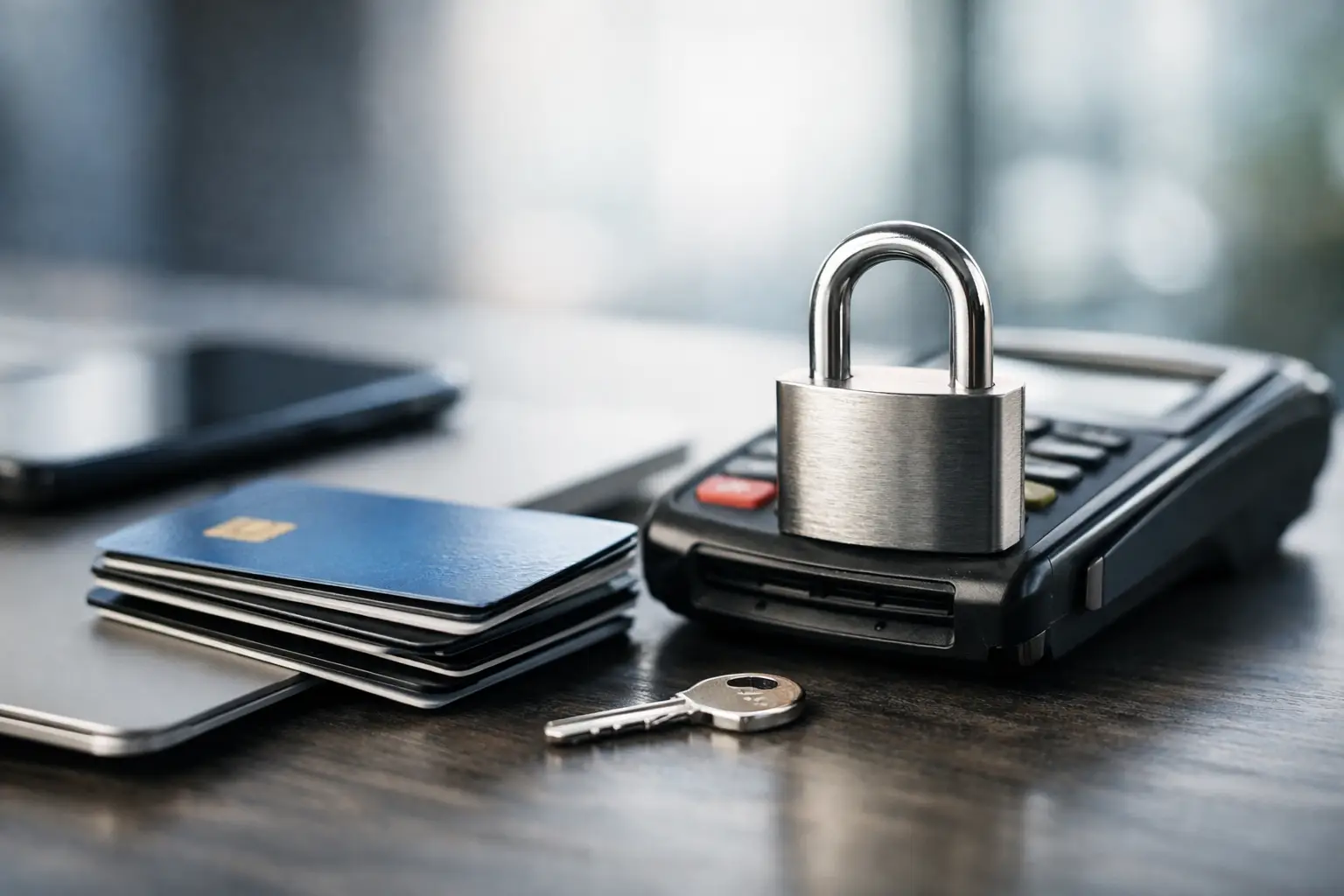
A fast deposit should never come at the cost of control. Payment method security is what keeps the money behind your predictions, the identity behind your account and the reputation you build from being exposed to the wrong person.
When you take a position on an outcome, your edge should come from sharper judgement, not from taking unnecessary risks with your card details or bank account. The right payment setup lets you fund your account with confidence, track what moves and withdraw through a process designed to protect you as much as the platform.
What payment method security really protects
Most people think payment security begins and ends with whether a platform accepts a familiar card. That is only the visible layer. Proper protection covers the route money takes into and out of your account, the checks that confirm it is really you, and the safeguards that spot activity which does not match your usual behaviour.
For a regulated prediction platform, this matters on both sides of the transaction. Deposits need to be authorised, traceable and linked to a legitimate payment source. Withdrawals need extra care because fraudsters often target the moment funds leave an account. Checks can feel less exciting than making a smart call on a market, but they protect the value of every correct prediction.
A secure payment journey typically brings together encrypted payment processing, verified account ownership, transaction monitoring and clear records. None of these is a magic shield on its own. Together, they make it much harder for someone else to use your details, redirect your funds or hide suspicious activity behind a seemingly ordinary transaction.
Choose the method that matches your risk profile
There is no single best way to pay. The right choice depends on how you manage money, what protections you value and how quickly you want funds to move.
Debit cards are familiar and convenient. They can also offer useful bank-level fraud monitoring, while allowing you to see activity in your banking app quickly. The trade-off is that a card saved across too many services creates more places for your details to be exposed if another account is compromised. Only save a card where you genuinely use it, and remove it when you no longer need it.
Bank transfer and open banking options can give you a direct, transparent route from your bank account. Depending on the provider, you may approve a payment within your own banking app using biometrics or a passcode rather than entering card details on a site. That can reduce the amount of sensitive information shared, although transfer timing and availability can vary.
Digital wallets can add a degree of separation between a merchant and your underlying card details. They are useful for people who prefer not to repeatedly enter card data. But a wallet is only as secure as the email address, phone number and device that protect it. If those are weak, the convenience becomes a liability.
The familiar name on a payment button is a helpful signal, not a reason to switch off your judgement. Use the option you understand, can monitor and can secure properly.
The withdrawal rule worth remembering
Whenever possible, deposit and withdraw using payment methods in your own name. Platforms may require this anyway, and for good reason. Name matching helps prevent stolen cards, mule accounts and attempts to send funds somewhere they do not belong.
It may mean additional verification before a withdrawal is approved. That is not necessarily a bad experience. It is a checkpoint protecting the funds you earned by being right. If a service promises instant, anonymous movement of money with no questions asked, treat that as a warning sign rather than a competitive advantage.
How to recognise a secure payment experience
Good payment method security is visible in the details. You should know who is processing your payment, what information is being requested and where to find your transaction history. You should also be able to tell the difference between a genuine security check and an attempt to rush you into handing over access.
Look for clear payment terms, identifiable support channels and a straightforward explanation of verification requirements. A regulated platform should not make you guess why it needs information or where your money has gone. It should give you a record of deposits, withdrawals and any pending activity, so you can spot a problem early.
Be equally alert to what a legitimate platform will not ask for. Support teams should not request your full password, your bank PIN or a one-time security code by direct message, text or email. Those codes are designed to prove that you are authorising a specific action. Sharing one can give an attacker the final piece they need.
Watch for small changes that do not feel right: a new recipient, a request to move a conversation to another app, a misspelt sender address, or pressure to act before you have time to think. Fraud often wins by creating urgency. Smart users slow the moment down.
Build a payment setup that is hard to beat
Your security habits should be as intentional as your research. A few minutes spent setting up your account properly can prevent a long dispute later.
- Use a unique, long password for the platform, preferably stored in a reputable password manager.
- Turn on two-factor authentication and use an authenticator app where it is offered, rather than relying only on SMS.
- Enable transaction notifications from your bank, card provider and payment wallet so unexpected movement is visible straight away.
- Keep your phone, browser and banking apps updated, since security fixes often address real vulnerabilities.
- Review saved payment methods and account sessions regularly, especially after changing or losing a device.
Avoid logging in or paying over public Wi-Fi unless you are using a trusted connection. A café network is not the place to review account details, add a new card or request a withdrawal. Mobile data or a trusted home network gives you more control.
It also pays to separate access from convenience. Biometric login makes it harder for someone nearby to enter your account, but it does not replace a strong password. Notifications help you react quickly, but they do not remove the need to check your history. Security works best as overlapping layers, not one setting you switch on and forget.
Verification is part of protecting fair play
Identity and payment checks can seem like friction when all you want is to take a position. Yet those checks are part of what separates a credible, regulated experience from an opaque one.
Verification helps prevent account takeover, underage participation, payment fraud and multiple-account abuse. It also supports a fairer competitive environment. If performance, badges and leaderboards mean something, the people behind them need to be real and accountable.
That does not mean every request is automatically reasonable. Share personal information only through the official app or website, and only when the request is clearly connected to account or payment verification. A legitimate provider should explain what it needs and give you a secure way to provide it. Never send identity documents through an unsolicited message or to a personal email address.
At Versus, regulated participation and trusted payment methods are part of making predictions feel like a test of insight, not a gamble with your data. The standard to expect is clear: you should be able to focus on the market while knowing there are controls around the money that gets you there.
If something looks wrong, act before it becomes expensive
Do not wait for a monthly statement if you see an unfamiliar charge, login alert or withdrawal request. First, secure the account by changing your password and ending other active sessions if that option is available. Then contact the platform through its official support route and notify your bank or payment provider promptly.
Save screenshots, confirmation emails and transaction references. Details such as the time, amount and payment method can help investigators trace what happened. If you believe your phone number, email or wallet has been compromised, secure those accounts too. Payment security is connected: a breached email can become a password reset; a stolen code can become a transfer.
The strongest move is not simply predicting what happens next. It is making sure the money and reputation behind your call stay yours. Check the payment route, protect your access and give every transaction the same attention you give the market.
Predict the world’s next moves.
enter versus™