
Legal Prediction Markets in the UK Explained
8 June 2026
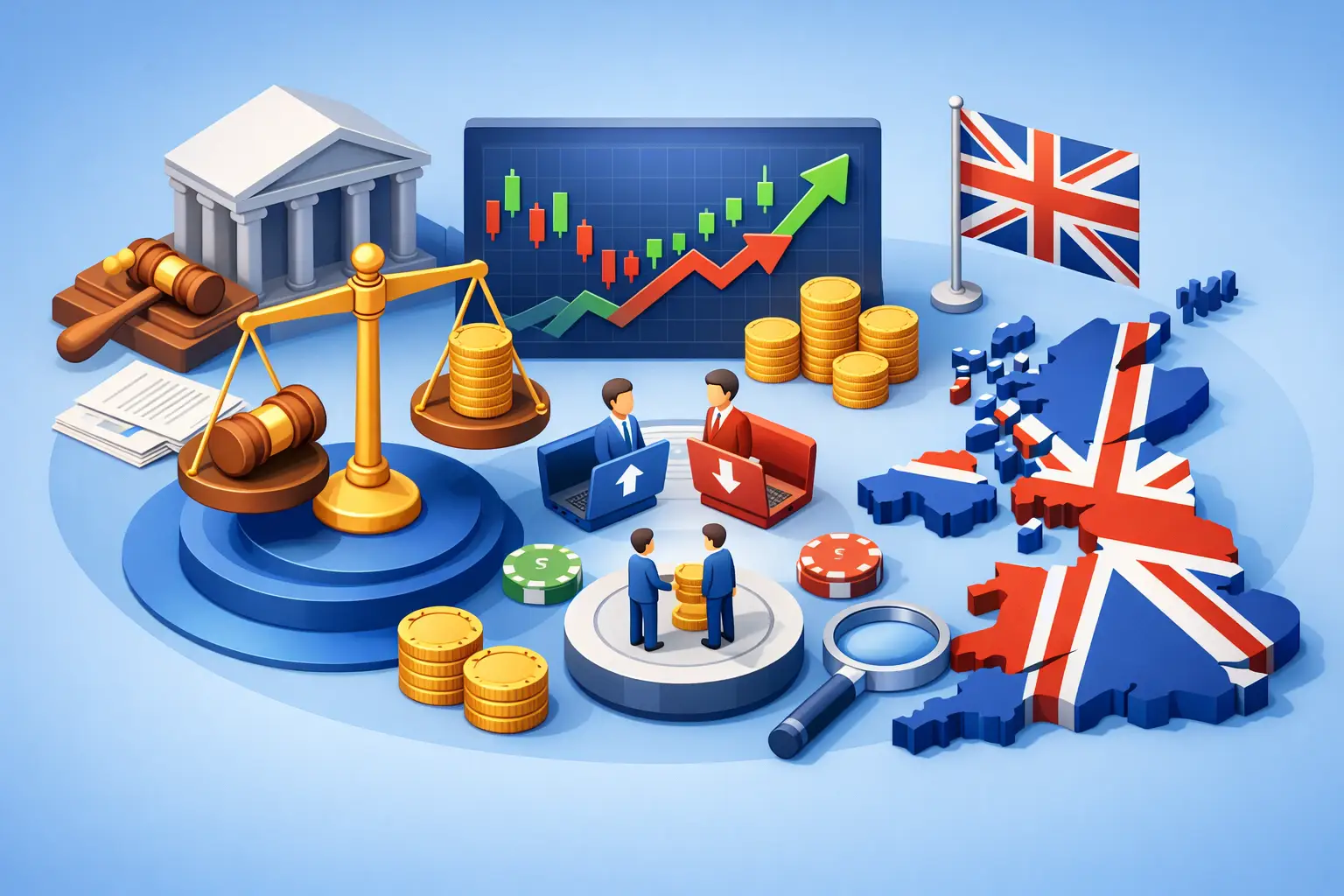
Most people can tell when a platform feels built for skill and when it feels built to keep them spinning. That distinction matters when you look at legal prediction markets in the UK. For users who want to back informed views on politics, culture, technology, sport-adjacent narratives or world events, the real question is not just what exists. It is what is licensed, what is fair, and what gives you a genuine shot at turning judgement into results.
Prediction markets sit in a space that gets misunderstood fast. They are often lumped together with betting, financial trading, crypto speculation and gaming. In practice, the UK treats legality through regulation, licensing structure and product design. That means the line between a legal platform and a risky one is not branding. It is whether the operator has permission to offer the product, whether consumers are protected, and whether the mechanics are clear enough for users to understand what they are actually doing.
What legal prediction markets in the UK actually are
At a basic level, prediction markets let users take a position on whether a future event will happen. That event could be an election result, an awards outcome, a company milestone, a macro trend or another observable real-world result. If your call is right, you earn based on the terms of the market.
That sounds simple, but the legal structure underneath it is where things get serious. In the UK, a prediction market is not legal merely because it exists online and accepts British users. Legality depends on whether the business is authorised to offer the activity in Britain and whether it complies with the rules that apply to that activity.
For mainstream users, the practical test is straightforward. Is the platform regulated for UK users? Does it verify identity and age? Does it use recognised payments rather than forcing users into crypto rails? Does it have responsible-use tools, clear pricing and visible dispute handling? If those basics are missing, claims about innovation do not count for much.
The regulatory reality behind legal prediction markets in the UK
The UK is one of the more structured markets for this category because gambling and event-based wagering are regulated rather than left in a grey zone. In many cases, prediction-style products aimed at consumers will fall within gambling law and require licensing through the UK Gambling Commission.
That does not mean every prediction product looks like a bookmaker. Some feel closer to fintech, some to gaming, some to media. But if users are staking money on outcomes and receiving returns based on those outcomes, regulation is what separates a credible operator from a platform that is simply hoping no one asks hard questions.
This is where many users get tripped up. A slick interface, social buzz and clever category design can make a platform look established. None of that proves legal status. The UK market rewards operators that do the harder work: licensing, consumer safeguards, anti-money laundering checks, fair terms and product controls that reduce harm.
For users, that structure is a strength, not friction. It means there are standards around advertising, customer funds, safer gambling tools and complaint routes. If you are putting real money behind your judgement, that framework matters.
Why crypto-first platforms often create problems for UK users
A lot of attention around prediction markets has come from crypto-native platforms. Some offer fascinating market structures and global participation. They can also create immediate problems for British consumers.
First, accessibility is lower than many platforms admit. Needing wallets, tokens, network fees and self-custody knowledge is not mainstream-friendly. Second, regulation is often less clear for UK users, especially when a platform is built offshore and its legal posture depends on technical workarounds. Third, consumer protection can be thin. If a market resolves badly or funds get stuck, users may have very little recourse.
That does not make every crypto-based model invalid. It does mean legal certainty, ease of use and trust are harder to achieve. For many UK adults, especially those who want prediction to feel smart rather than chaotic, a regulated non-crypto route is simply the stronger product.
What to look for in a legal UK prediction platform
If you are comparing options, the strongest platforms usually signal legitimacy in ways that are hard to fake. They explain how markets are priced, how outcomes are resolved and what users pay. They make deposits and withdrawals familiar. They also treat safer participation as a built-in feature rather than a hidden settings page.
A serious operator should make it easy to understand the event, the possible outcomes and the timing. Ambiguous markets damage trust. So do fees that appear only after you try to cash out. The best user experience is not just fast. It is clean, transparent and difficult to misunderstand.
You should also pay attention to the culture of the product. Some platforms frame users as impulsive spenders. Better ones frame participation as judgement, discipline and repeatable decision-making. That shift matters because it changes how people engage. The strongest prediction environments reward pattern recognition and information edge, not noise.
This is one reason platforms such as Versus are gaining attention. The appeal is not only that they sit on the right side of compliance. It is that they present prediction as a sharper, more transparent experience for people who want to be recognised for being right.
Legal prediction markets in the UK versus traditional betting
There is overlap between these categories, but they are not identical in how users experience them. Traditional betting is often built around fixed odds, familiar sports markets and operator-set pricing. Prediction markets can feel broader and more dynamic, especially when they cover business, entertainment, technology and public events.
The bigger difference is psychological. Betting products often lean on fandom, impulse and short-term excitement. Prediction markets, at their best, lean on information, conviction and interpretation. You are not only backing a side. You are expressing a view about how the world is moving.
That said, the distinction should not be overstated. If real money is involved, users still need to manage risk. A prediction market can feel more intellectual than a flutter on a Saturday fixture, but bad discipline still burns money. Legality does not remove the need for restraint.
Where the opportunities are for UK users
The growth case for this category is strong because it fits how people already consume information. Millions of people track political shifts, product launches, cultural moments, football narratives, earnings stories and online trends in real time. Prediction markets turn that passive attention into active positioning.
That creates a different kind of entertainment. Instead of endless scrolling and hot takes, users can test whether their read on an event is actually better than the crowd's. The upside is financial, but it is also reputational. Strong forecasting has status. People increasingly want products that show their track record, not just their opinions.
That is especially relevant for younger digital audiences who move easily between finance apps, creator content, sports media and social feeds. They do not want to be treated like spectators. They want a system where insight counts.
The trade-offs users should keep in mind
Even within legal prediction markets in the UK, quality varies. Some platforms have cleaner design but weaker market depth. Others have broader event coverage but more confusing rules. Some may be highly compliant yet feel flat or overly restrictive for experienced users.
There is also the question of market resolution. In a strong product, the source of truth is clear and edge cases are addressed upfront. In a weak one, disputes emerge only after money is on the line. This is not a minor detail. Resolution quality is one of the fastest ways to tell whether a platform respects its users.
Then there is pace. Fast-moving markets can be exciting, but they can also reward snap reactions over thoughtful forecasting. Slower markets give more room for research, though they may feel less lively. What works best depends on how you like to make decisions and how disciplined you are with your bankroll.
Why this category is likely to grow
The broader trend is clear. Consumers are moving towards products that combine money, media and identity. Prediction sits right in that intersection. It is interactive, measurable and naturally social. You are not just watching events unfold. You are taking a position and building a record.
The UK is well placed for that growth because regulated frameworks already exist and users are used to digital wallets, app-based finance and competitive online products. The next winners in this space will not be the ones shouting the loudest about disruption. They will be the ones that make the experience legal, intelligible and worth returning to.
For UK users, that is the standard to keep in view. Not hype. Not novelty. A platform where your judgment has room to work, the rules are clear, and being right actually means something.
Predict the world’s next moves.
enter versus™